Understanding Convenience Stores: Their Role in Daily Life
Convenience stores play a vital role in urban and suburban communities. They offer quick access to everyday essentials. These stores cater to people who need fast, easy shopping options. Whether it is grabbing a snack, picking up milk, or buying a last-minute item, convenience stores fill a unique niche. They operate with extended hours, often 24/7, making them reliable for late-night needs.
I want to explore how these stores serve local neighborhoods and commuters. I will explain their functions, common names, and what makes them essential in places like Pasadena. This post will also highlight practical tips for shoppers and store owners alike.
Understanding Convenience Stores: What They Offer
Convenience stores provide a range of products in a small footprint. They stock items that people frequently need but may not want to buy in large quantities. These include:
Snacks and beverages
Basic groceries like bread, milk, and eggs
Household essentials such as cleaning supplies and toiletries
Tobacco products and sometimes alcohol
Ready-to-eat foods like sandwiches and coffee
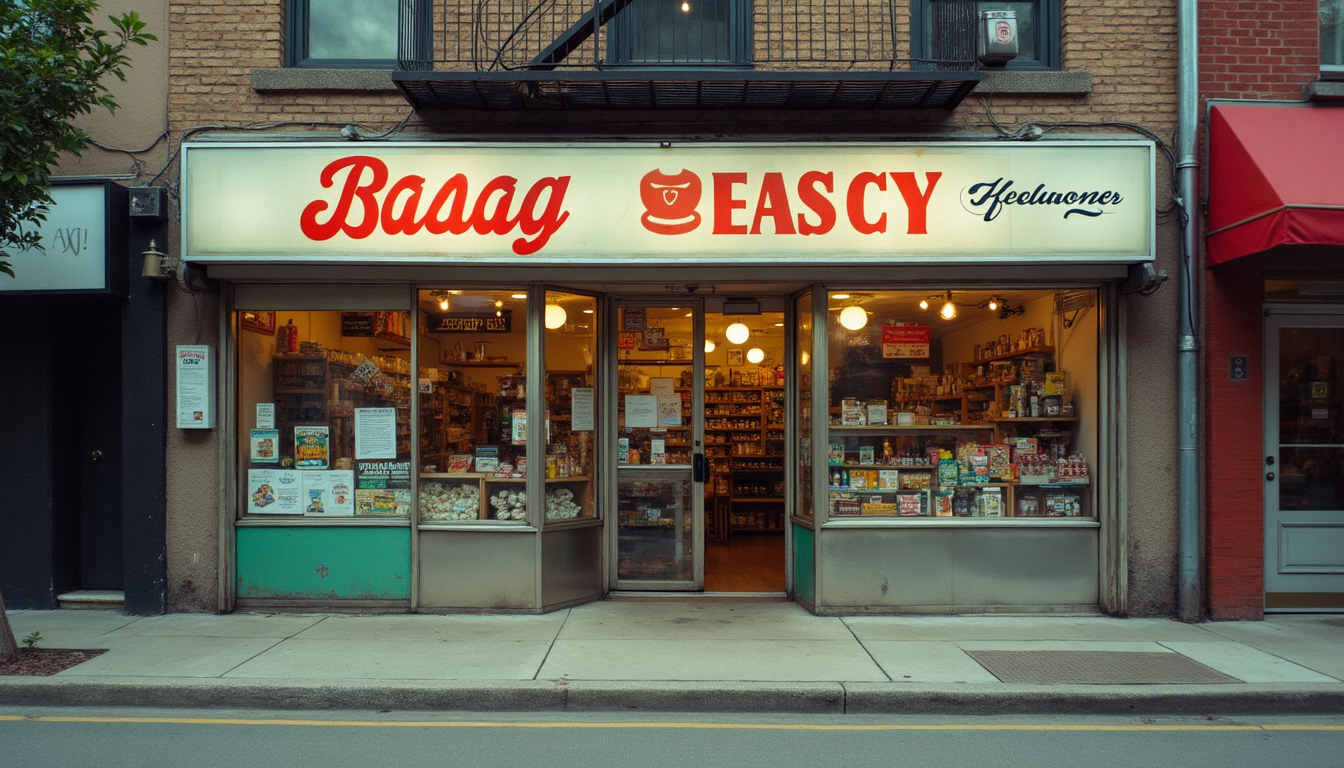
The layout is designed for quick shopping trips. Shelves are organized to make popular items easy to find. Many stores also include services like bill payment, ATM access, and lottery ticket sales.
For example, a local store in Pasadena might combine grocery staples with a smoke shop section. This mix meets diverse needs in one stop. It saves time and effort for customers who want to avoid multiple errands.

What are convenience stores called in the USA?
In the United States, these stores go by several names depending on the region and format. Common terms include:
Corner store
Bodega (especially in urban areas like New York City)
Quick-stop
Mini-mart
Gas station store (when attached to fuel stations)
Despite the different names, the core function remains the same. They provide fast access to essential goods. The term "convenience store" is widely recognized and used in business and retail contexts.
In Pasadena and similar cities, you will often find these stores near residential areas or transit hubs. Their presence supports the daily routines of commuters and local residents alike.
How Convenience Stores Support Local Communities
Convenience stores contribute to the community in several ways:
Accessibility - They are often located within walking distance of homes or workplaces. This reduces the need for long trips to supermarkets.
Extended Hours - Many stay open late or 24 hours. This availability is crucial for shift workers, late travelers, or anyone needing items outside regular store hours.
Quick Service - The small size and focused inventory mean faster checkout times. Customers can grab what they need and go.
Local Employment - These stores create jobs for neighborhood residents.
Emergency Supplies - They provide essential items during unexpected situations, such as power outages or weather events.
For example, a commuter stopping by after work can pick up dinner ingredients and a coffee without detouring far from their route. This convenience saves time and effort.
Tips for Shopping at Convenience Stores
To make the most of your visit to a convenience store, consider these tips:
Plan your list - Know what you need before entering. This helps avoid impulse buys.
Check expiration dates - Some items may have shorter shelf lives due to turnover rates.
Look for deals - Many stores offer promotions on popular items.
Use cash or card wisely - Some stores have minimum card purchase amounts.
Support local stores - Buying from neighborhood shops helps keep them open and thriving.
If you live in Pasadena, visiting a store like Lazzy Dazz Grocery & Smoke can be a one-stop solution. They combine grocery essentials with specialty items, making shopping efficient.

The Future of Convenience Stores
The convenience store model continues to evolve. Technology and changing consumer habits shape their future. Some trends include:
Self-checkout kiosks to speed up service
Mobile payment options for contactless shopping
Expanded fresh food selections to attract health-conscious buyers
Partnerships with delivery services for online ordering and pickup
Sustainability efforts such as reducing plastic use and food waste
Stores that adapt to these trends will remain relevant. They will continue to serve as essential hubs for quick, reliable shopping.
Convenience stores remain a cornerstone of daily life for many. Their ability to provide fast, easy access to necessities makes them indispensable. Whether you need a quick snack, a late-night item, or a few groceries, these stores deliver. Understanding their role helps us appreciate their value in our communities.

Comments